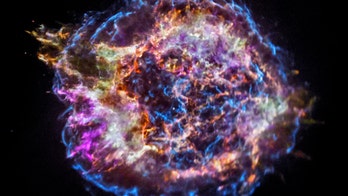
May 30, 2019 Exploding stars may have put humanity on two feet As human ancestors went from swinging through trees to walking on two legs, they may have received a boost from an unlikely source: ancient supernovas.
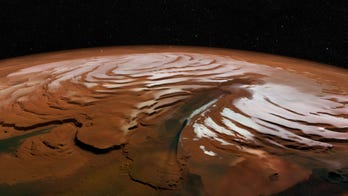
May 23, 2019 Major Martian ice discovery thrills scientists Scientists have discovered layers of ice buried a mile beneath Mars’ north pole that could help unlock the Red Planet’s history.
May 22, 2019 Watch stunning meteor light up the night sky in Australia Police in Australia have captured stunning footage of a meteor lighting up the night sky.
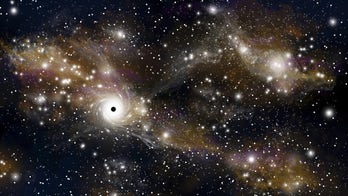
May 21, 2019 These wisps around black holes could reveal how the cosmic beasts eat DENVER — You've seen the first close-up of a black hole.
May 15, 2019 These ancient galaxies are far brighter than expected. Does that signal a cosmic turning point? By staring at the sky for over 200 hours, the Spitzer Space Telescope collected light that finally reached Earth after a 13-billion-year voyage through space.
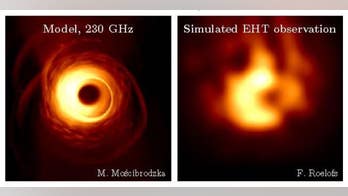
May 13, 2019 Black hole photos could get even clearer with space-based telescopes The first-ever photo of a black hole amazed people across the world.
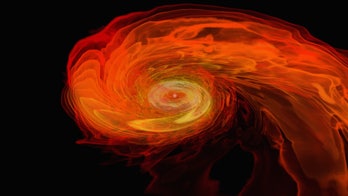
May 13, 2019 Ancient neutron-star crash made enough gold and uranium to fill Earth's oceans Enough gold, uranium and other heavy elements about equal in mass to all of Earth's oceans likely came to the solar system from the collision of two neutron stars billions of years ago, a new study finds.
May 8, 2019 2,000-year-old cosmic fossil found from star explosion Chinese astronomers saw millenia ago Astronomers found a 2,000-year-old cosmic fossil embedded in a field of stars — likely the leftovers of an explosion that Chinese astronomers saw and wrote about long ago.
May 8, 2019 Scientists think they've found the ancient neutron star crash that showered our solar system in gold Two astronomers think they've pinpointed the ancient stellar collision that gave our solar system its cache of precious gold and platinum — some of it, anyway.
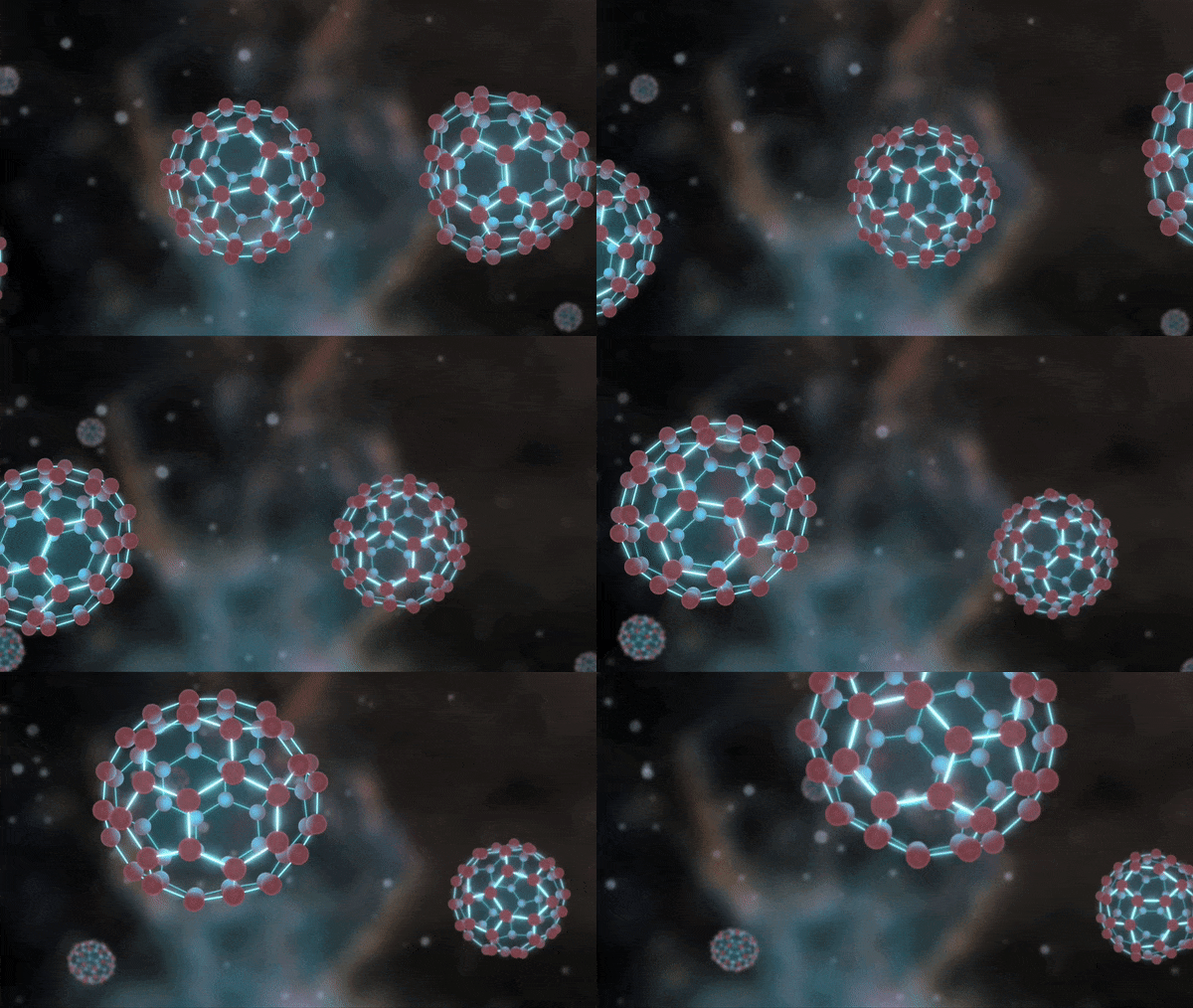
May 2, 2019 Hubble spots giant 'buckyballs' jiggling like Jell-O in space The Hubble Space Telescope recently spied new evidence of a peculiar molecule: wiggly buckyballs, which have intrigued astrophysicists since they were discovered in space nearly a decade ago.